
How flood warnings work
The Environment Agency issues flood warnings for flooding from rivers and the sea in England. Each warning covers a named area, such as a stretch of river or a section of coast, and is based on river levels, rainfall, tides and weather forecasts.
In Essex, warning areas run along the coast and tidal estuaries, and along rivers such as the Chelmer, Blackwater, Colne, Stour, Roding and Crouch. There are three levels of warning, and each step up means flooding is more likely and more serious.
Most warnings do not cover surface water flooding, when heavy rain overwhelms drains and gullies. That kind of flooding can happen anywhere, often with little notice.
You can see the flood warnings in force across Essex and the latest river levels on this site, and check the long-term flood risk for any address on GOV.UK.
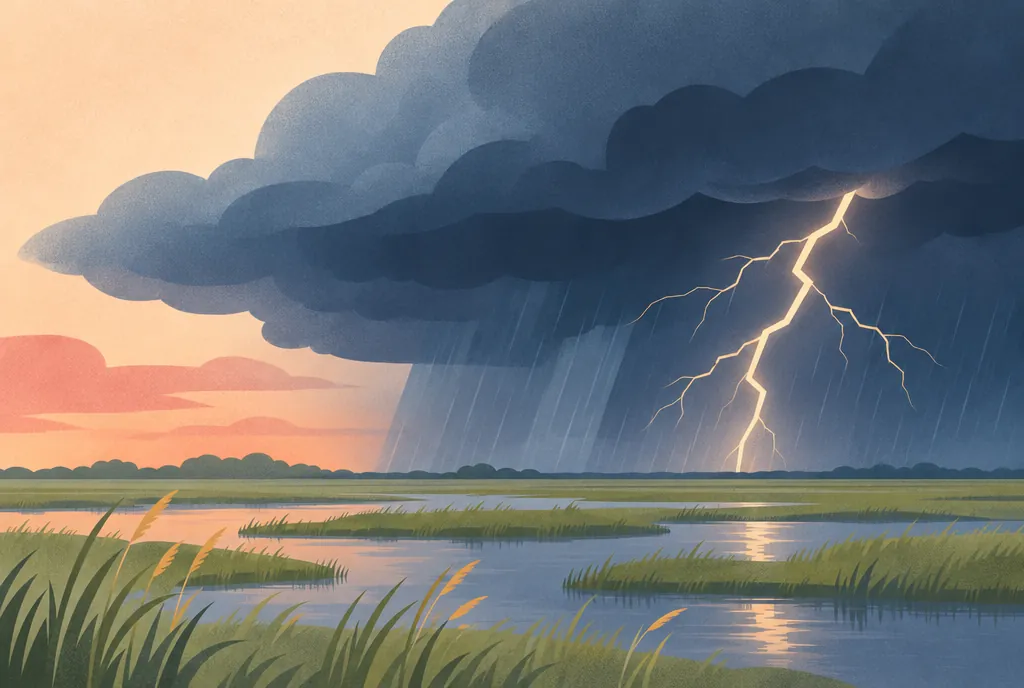
Flood alert
Flooding is possible. Be prepared.
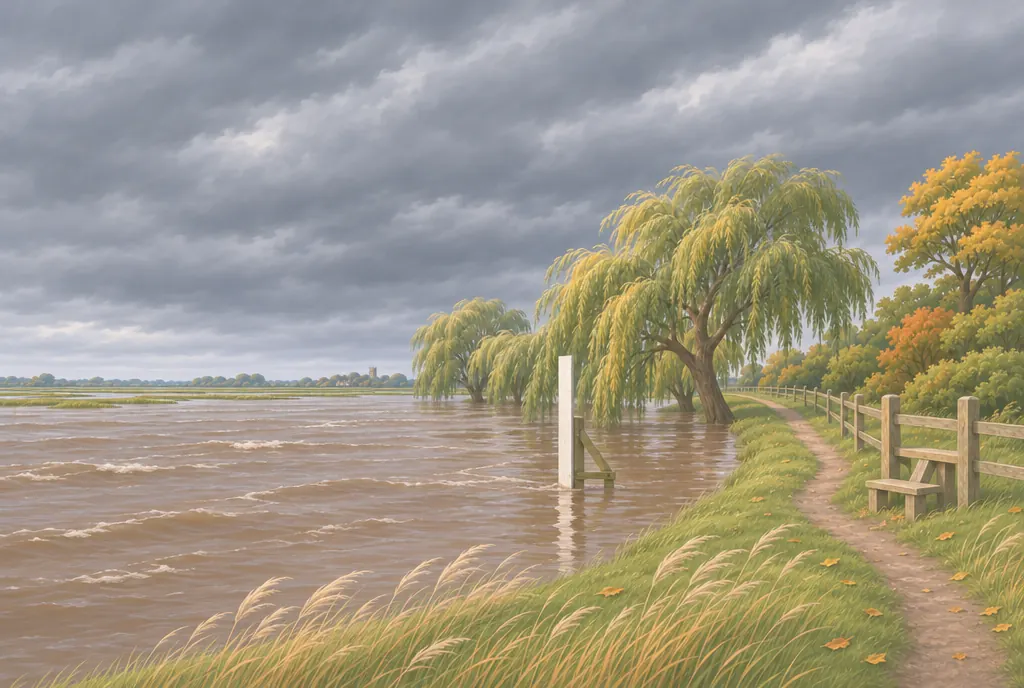
A flood alert is the lowest level. Alerts are usually issued between 2 hours and 2 days before flooding might happen, often for a wide area such as a whole river valley or a long stretch of coast.
An alert is a signal to get ready rather than to leave. Fields, footpaths, riverside roads and low-lying land are usually the first places to flood.
GOV.UK has a full checklist to prepare for flooding, including how to make a personal flood plan.
- Check the latest warnings and river levels
- Get ready to move valuables, pets and vehicles
- Make sure you know how to turn off gas, electricity and water
- Pack a flood kit: a torch, spare batteries, a phone charger, medicines, warm clothes and important documents in a waterproof bag
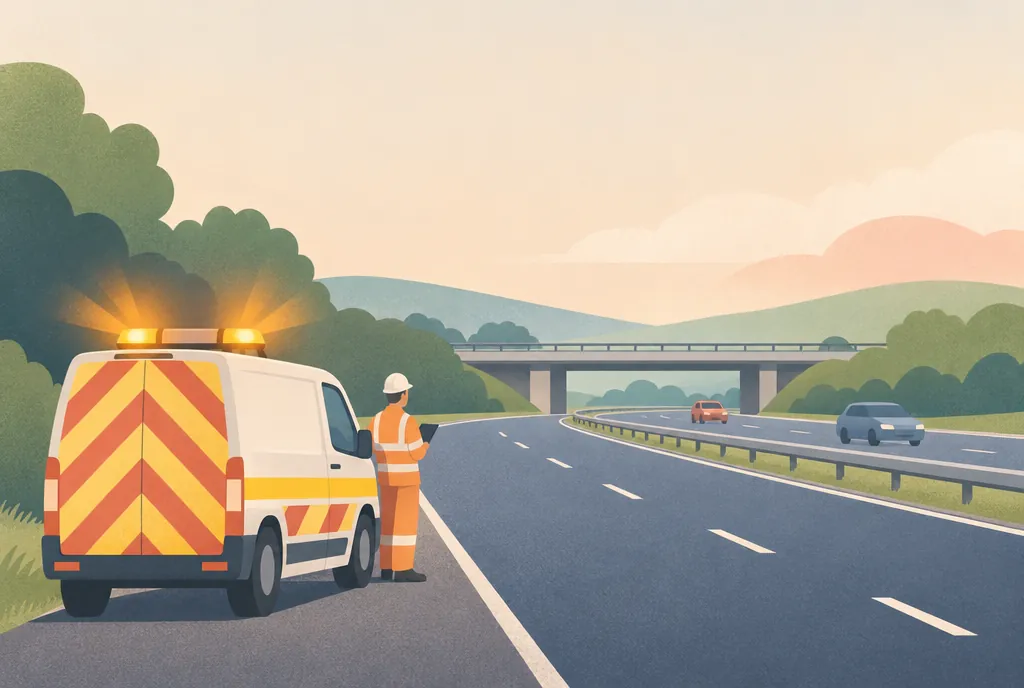
Flood warning
Flooding is expected. Immediate action required.
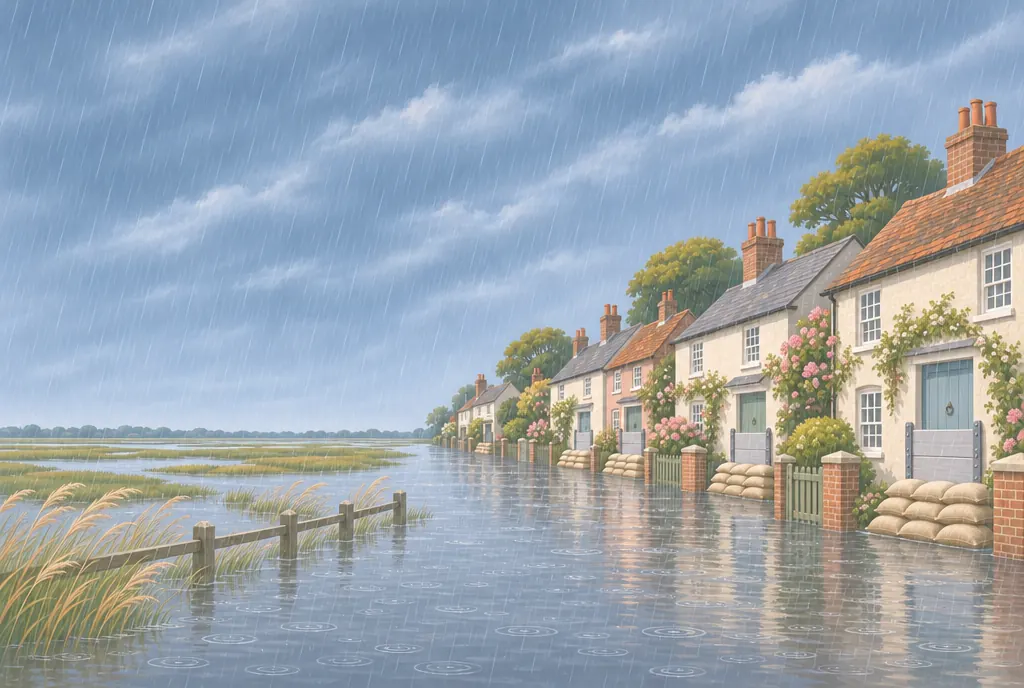
A flood warning means you should act now to protect yourself and your property. Warnings are usually issued between half an hour and a day before flooding, for a smaller area where homes and businesses are expected to be affected.
- Move family, pets and valuables to a safe place, upstairs if you can
- Turn off gas, electricity and water if it is safe to do so
- Put flood protection in place if you have it
- Do not walk or drive through flood water
Severe flood warning
Severe flooding. Danger to life.
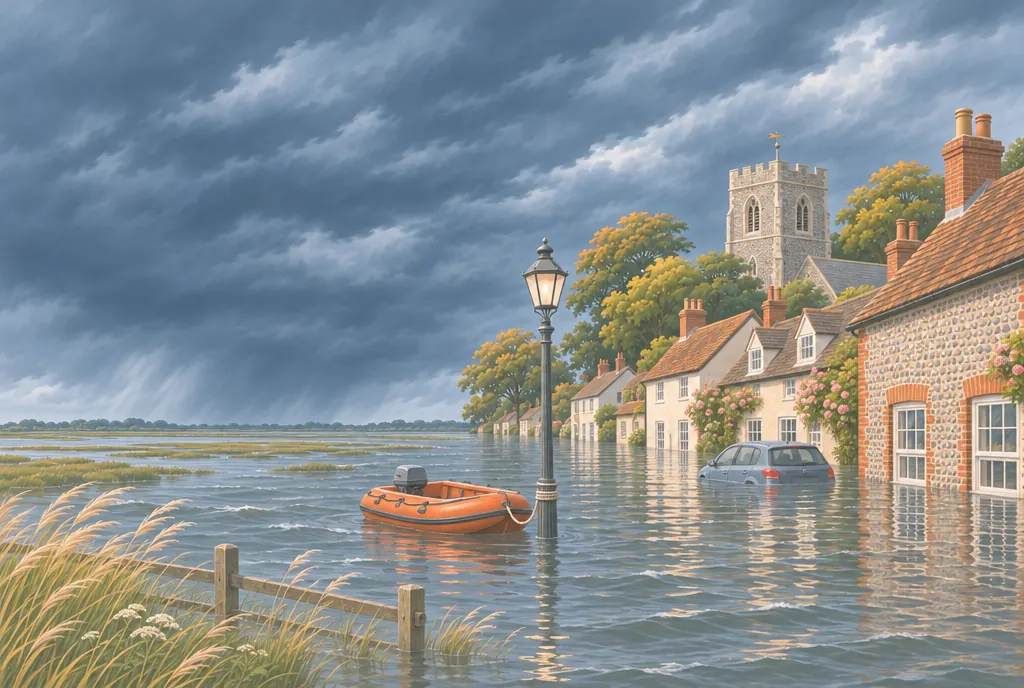
Severe flood warnings are rare. They are issued when flooding is expected to put lives at risk, for example when water may come over or through flood defences.
Follow the advice of the emergency services and be ready to leave your home if you are told to.
- Call 999 if you are in immediate danger
- Stay in a safe place with a way out
- Keep your phone charged and with you
Staying safe in flood water
Flood water is more dangerous than it looks. Just 15cm of fast-flowing water can knock an adult off their feet, and 30cm of moving water can float a car. Water can hide open drains, debris and roads that have been washed away.
Flood water is often polluted with sewage, chemicals and animal waste. Wash your hands after touching it, and keep children and pets out of it.
Warnings no longer in force
When a warning is removed, flooding is no longer expected in the area. Take care: flood water can still be deep, fast or polluted.
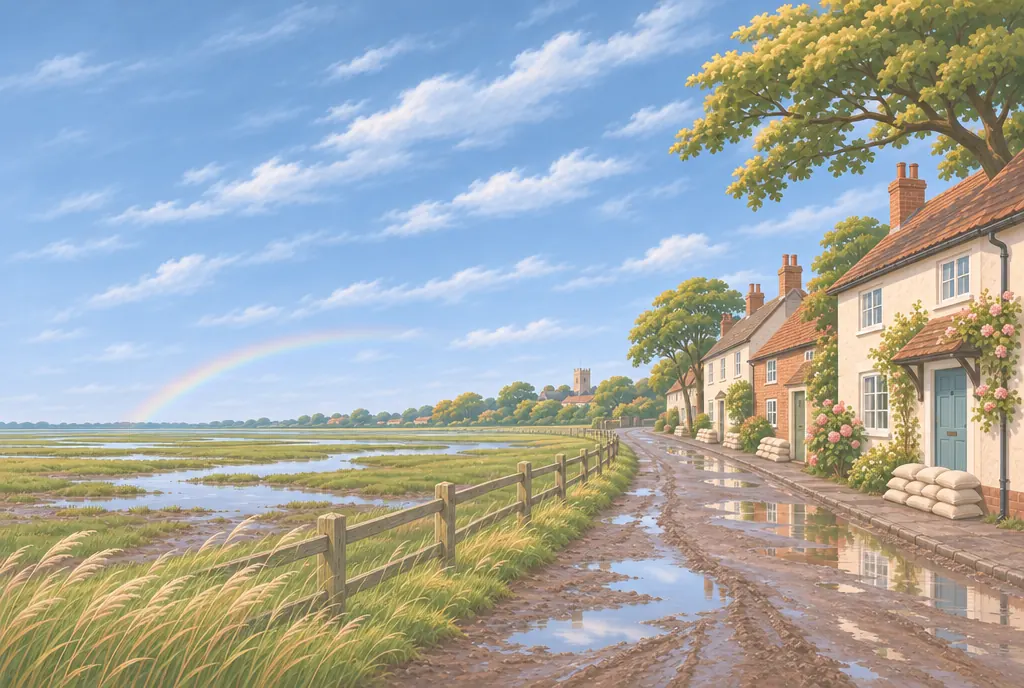
Rivers can stay high for days after the rain has stopped, and a new alert or warning can be issued if more rain falls.
After a flood
Do not switch electricity back on until a qualified electrician has checked it. Gas appliances that have been under water should be checked by a Gas Safe registered engineer before you use them.
GOV.UK explains what to do after a flood, including how to clean up safely and where to get help.
- Contact your insurer as soon as you can
- Take photos and videos of the damage before you start clearing up
- Wear gloves and boots when you clean up
- Throw away any food that has touched flood water
Get warnings and help
You can sign up for free flood warnings by phone, text or email on GOV.UK. Floodline is on 0345 988 1188, 24 hours a day.
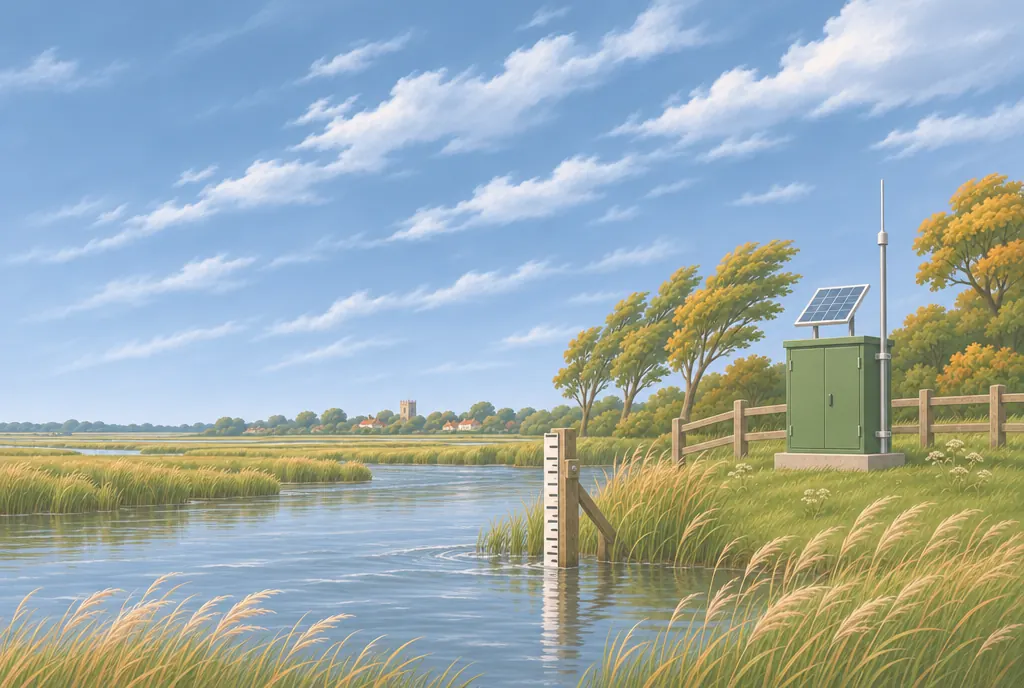
The Environment Agency’s Check for flooding service shows warnings and river, sea and rainfall levels across England.
On this site you can follow the flood warnings in force across Essex and the latest river levels from Environment Agency gauges.