
How the index works
The Daily Air Quality Index, used by Defra, scores air pollution from 1 to 10. It combines five pollutants: ozone, nitrogen dioxide, sulphur dioxide and fine particles (PM2.5 and PM10).

The bands are Low (1 to 3), Moderate (4 to 6), High (7 to 9), Very high (10).
The index for a place is set by whichever pollutant is worst. Defra publishes readings from its network of monitoring sites and a forecast for the days ahead.
You can see the latest air quality and weather for Essex on this site.
What causes high pollution
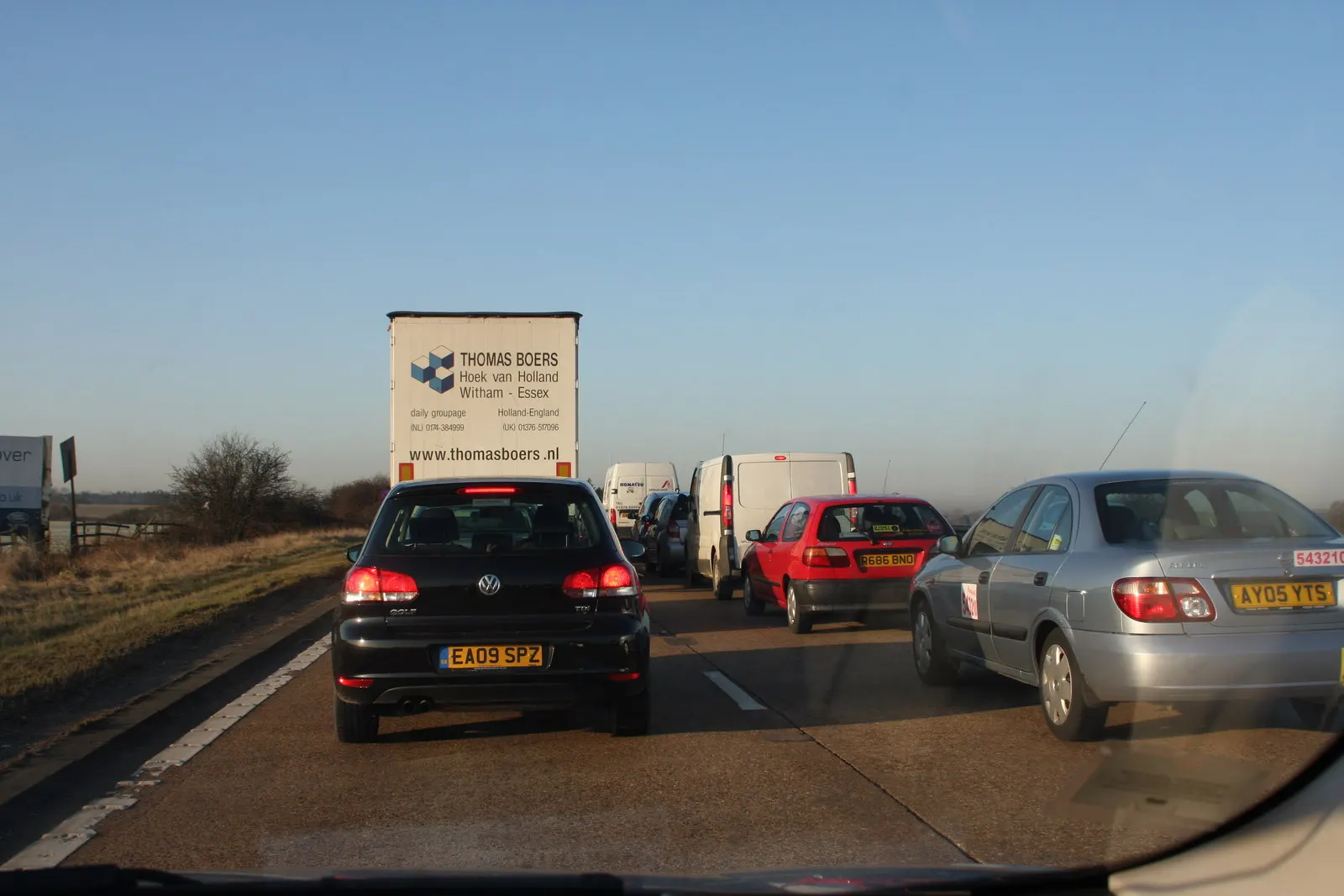
Nitrogen dioxide comes mostly from road traffic, so it is highest beside busy roads and junctions. Fine particles come from vehicles, wood burning, industry and farming, and can also drift across from mainland Europe.
Pollution builds up most in still weather. Hot, sunny summer days can produce ozone. Cold, calm winter spells can trap smoke and particles close to the ground.
Low (1 to 3)
Enjoy your usual outdoor activities.

Moderate (4 to 6)
Most people can enjoy their usual outdoor activities.

Adults and children with lung problems, and adults with heart problems, who have symptoms should consider doing less strenuous activity, especially outdoors.
High (7 to 9)
Anyone with sore eyes, a cough or a sore throat should consider doing less, especially outdoors.

Adults and children with lung problems, adults with heart problems and older people should do less strenuous activity. People with asthma may need their reliever inhaler more often.
Very high (10)
Everyone should do less strenuous activity, especially outdoors and especially if they have symptoms such as a cough or sore throat.

Adults and children with lung problems, adults with heart problems and older people should avoid strenuous activity.
Who is most at risk
Adults and children with lung conditions such as asthma or COPD, adults with heart conditions and older people are the most likely to notice effects. Symptoms can include a cough, sore eyes, a sore throat or wheezing.
Asthma + Lung UK has advice and a helpline for people living with lung conditions.
Reducing your exposure
- Check the air pollution forecast if you have a lung or heart condition
- Choose quieter streets over busy roads when you walk or cycle
- Keep your reliever inhaler with you if you use one
- On hot, sunny days, exercise outdoors earlier in the day, before ozone builds up